Would you open the door to a stranger?
Balloon Dog takes the classic Bengali short story Kabuliwala by Rabindranath Tagore about a lovable immigrant who befriends a chatty little girl, and retells this universal tale in modern-day Auckland, New Zealand. Marvelously, it works, creating a spirited narrative with an underlying sense of sinister anticipation that keeps you on the edge of your seat until the very end.
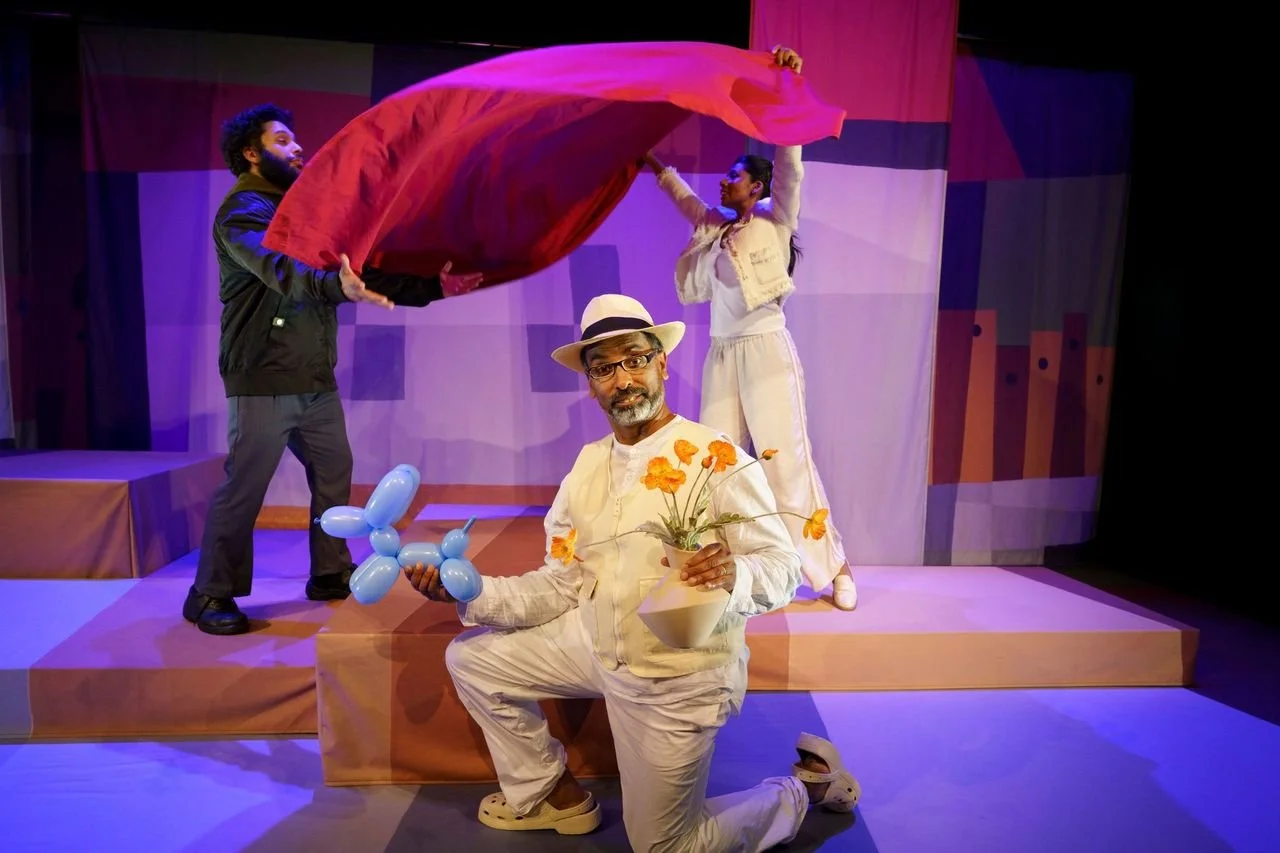
Jehangir Homavazir as Kabir, Jacob Rajan as Ravi and Alisha Jacob as Sara
The story poses the question: would you open the door to a stranger? It all depends on the context, right? Why is this stranger at your door? What time of day is it? Is their knock friendly or threatening?
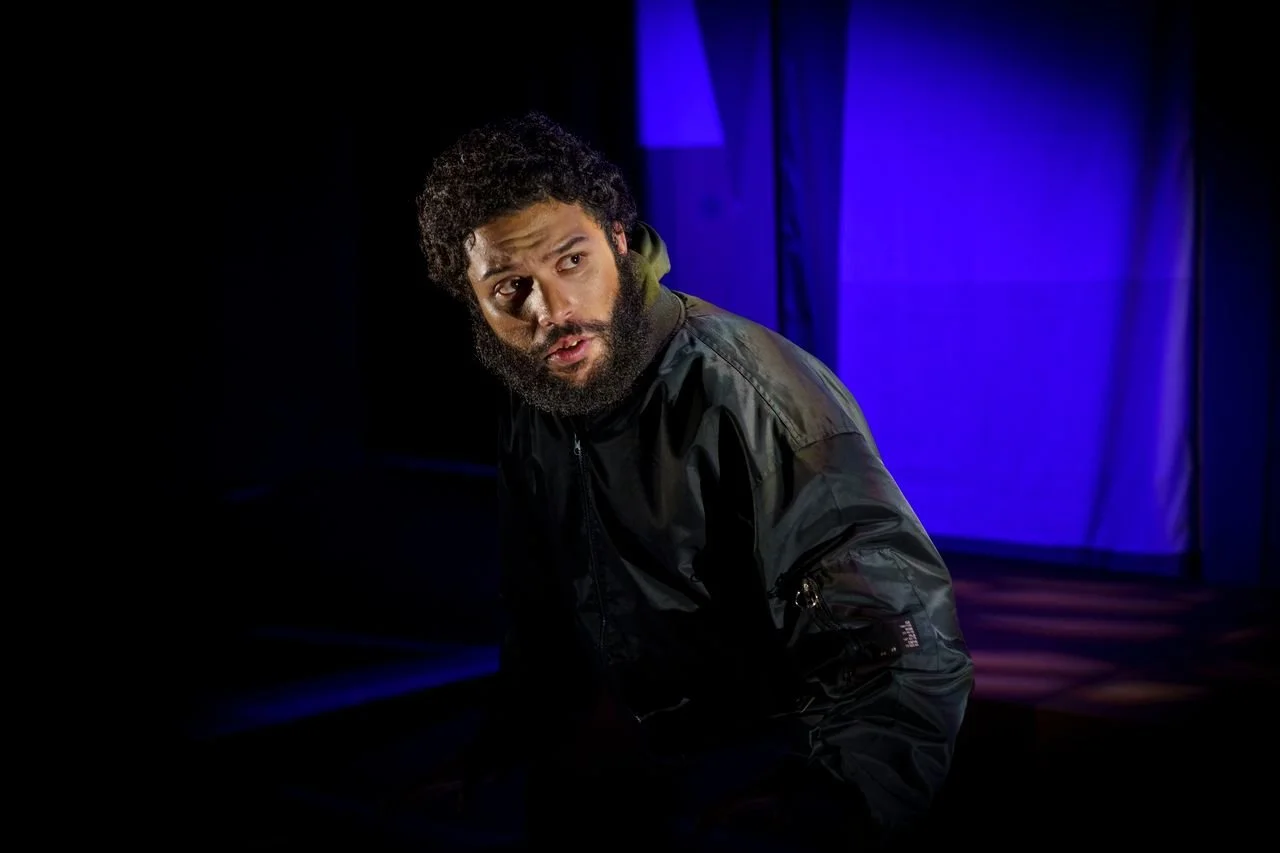
Jehangir Homavazir as Kabir
Jehangir Homavazir plays ‘the stranger’, Kabir, a migrant worker from India who forms an undeniable bond with five-year-old Mini. He wins her over, and the audience, with hand puppets, dad jokes, his lovable demeanour and of course, a balloon dog. Homavir gives a brilliant, grounded performance that pulls the audience onto Kabir’s side despite the ominous beginning to the show. And despite the consequences of his actions brings a sense of understanding and sympathy for his character’s fate.
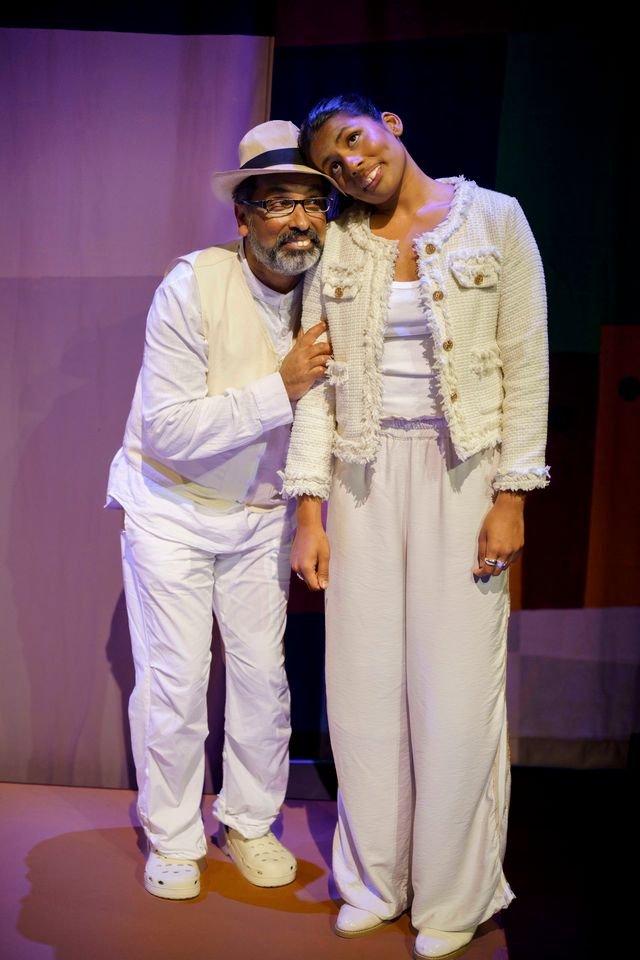
Jacob Rajan as Ravi and Alisha Jacob as Sara
Mini’s grandfather, Ravi, is brought to life through the wonderful and goofy performance of Jacob Rajan. While Ravi sees nothing wrong with his granddaughter bonding with a friendly neighbour, his daughter Sara, played by Alisha Jacob, disapproves of a random male stranger spending time with her little girl. Rajan approaches the role of Ravi with impeccable comedic timing, serving as the perfect foil to Alisha’s more logical portrayal in Sara. The pair exudes the beautiful multigenerational relationship of a father and daughter who do not always see eye to eye, but find a way to love each other anyway.
The family begins to unravel as they confront their assumptions about Kabir. Perspectives shift and change as they learn more about him, questioning whether he is friend or foe.
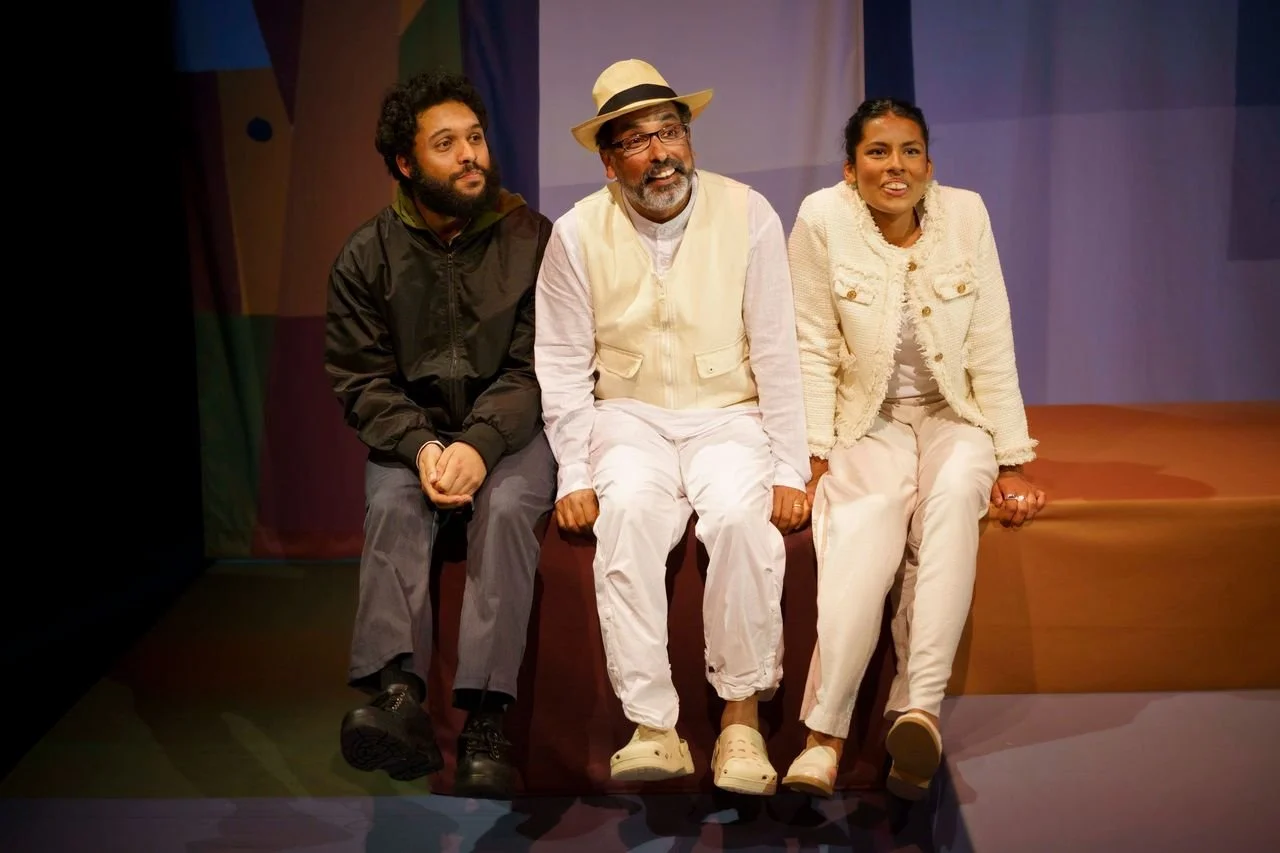
Jehangir Homavazir as Kabir, Jacob Rajan as Ravi and Alisha Jacob as Sara
Interestingly, the character who does not appear on stage is Mini herself. Despite the five-year-old being the centre of the story, as the one who bonds with Kabir and is the reason for Sara’s discontent towards him, she is not present on stage. Rather, all three performers transform into her at certain moments, taking on her voice and mannerisms; at other times, we, the audience, follow the eyelines of the performers to an invisible Mini matched with the side of stage sound effects and music to imply her presence. Which only heightens the innocent feel of the performance.
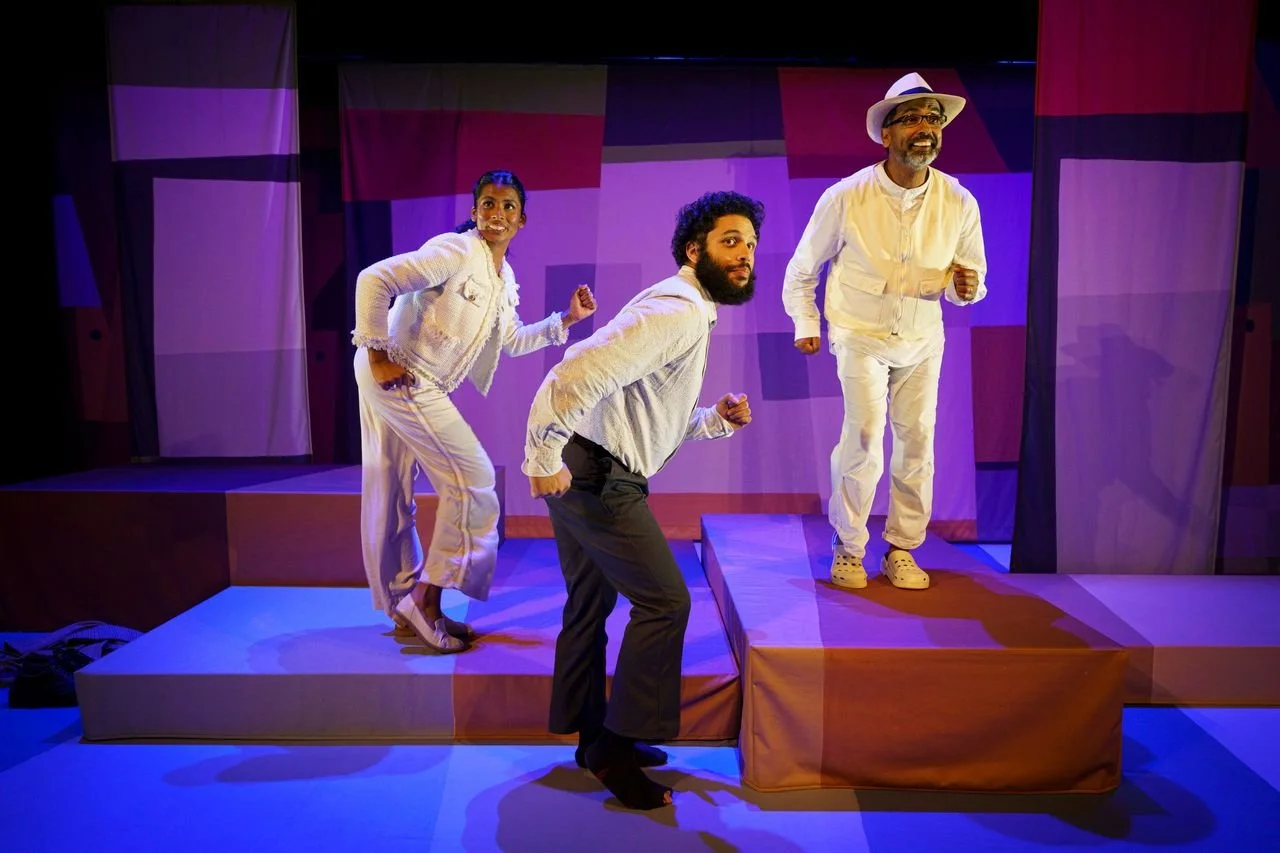
Alisha Jacob as Sara, Jehangir Homavazir as Kabir and Jacob Rajan as Ravi
From the opening scene a stranger creeps around a house in the middle of the night, we are presented with a dark and serious tone. This is cleverly juxtaposed instantly as we flash back with a circle narrative to what lead to this point, with John Verryt’s simple yet effective set design, made up of colourful floating panels and multi-level platforms; David Ward’s charming live sound effects and music; fourth-wall-breaking theatrical wizardry; shadow-puppet work; and the vibrant, abstract choreography of Jude Froude. While the set, performances, and music are largely filled with a childlike energy, much like Mini herself, the audience is equipped with the knowledge that something darker is at play. Is it with Kabir himself, or is he the one being taken advantage of?
While the show leans more towards a ‘telling’ rather than ‘showing’ narrative, with Ravi narrating directly to the audience, it does not deter from the emotional connection to the characters in it’s 80 minute run time.
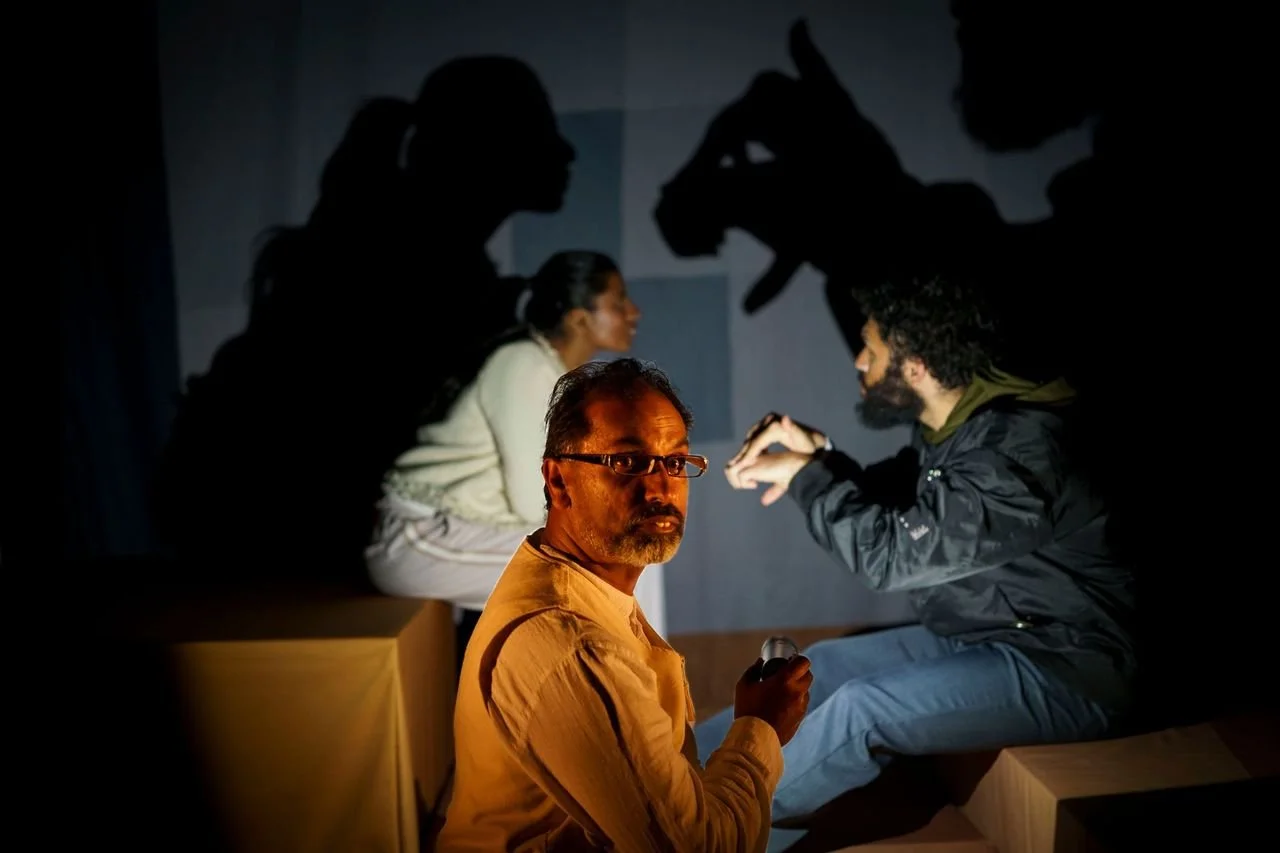
Alisha Jacob as Sara, Jacob Rajan as Ravi and Jehangir Homavazir as Kabir
As an audience, we are placed in a constant position of discovery throughout the show. What must we know about Kabir to fully trust that he is the innocent and kind-hearted man Mini sees in him? Is he the migrant simply looking for a connection to his Indian roots, as Ravi believes, or the predator Sara fears he may be? The final revelation of Kabir’s intentions does not emerge until the conclusion of the play, and it perfectly seals the rollercoaster of emotions the story evokes.
Balloon Dog explores the intertwining of this deeper issue, the dichotomy of xenophobia and migrant exploitation, and highlights the paradox of host countries’ discontent with foreigners yet their reliance on cheap labour. This results in a sense of social responsibility to protect the rights of those being manipulated.
The diversity within the audience highlights the importance of Indian stories on our stages, and Indian Ink continues to demonstrate why these stories deserve to be seen and celebrated.
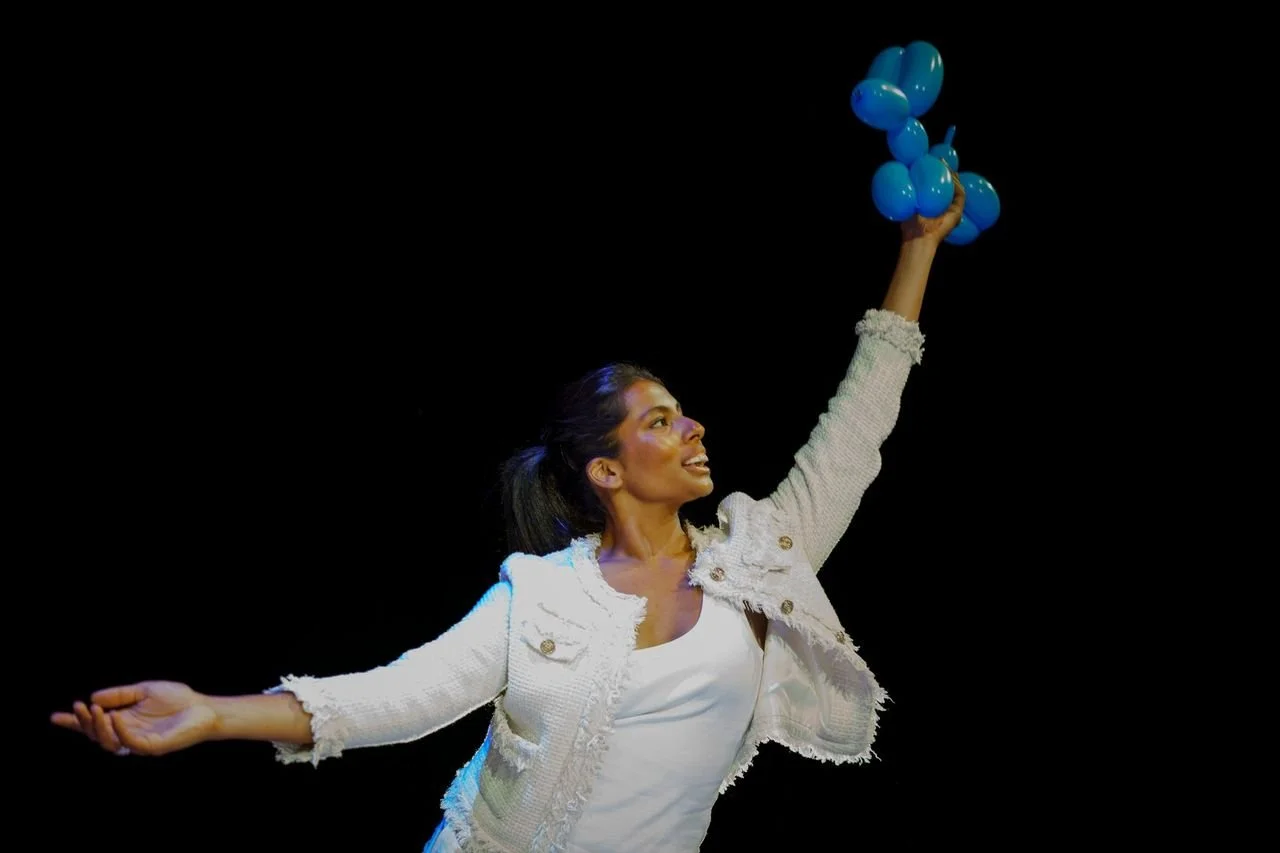
Alisha Jacob as Sara
Buy tickets here.
Gifted press tickets
